
Protect your life savings with this 10-point legal checklist: CS/SA/RS/BS Khatians, Mutation Namjari, DCR, Non-Encumbrance Certificate, and RAJUK plan checks.
Buying a flat in Dhaka often represents the culmination of 15 to 25 years of hard work, careful saving, or remittances sent home from abroad. Yet, thousands of buyers in Bangladesh find themselves caught in protracted court battles, facing unexpected eviction notices, or waiting years for registration because they overlooked critical title flaws during the initial contract stage.
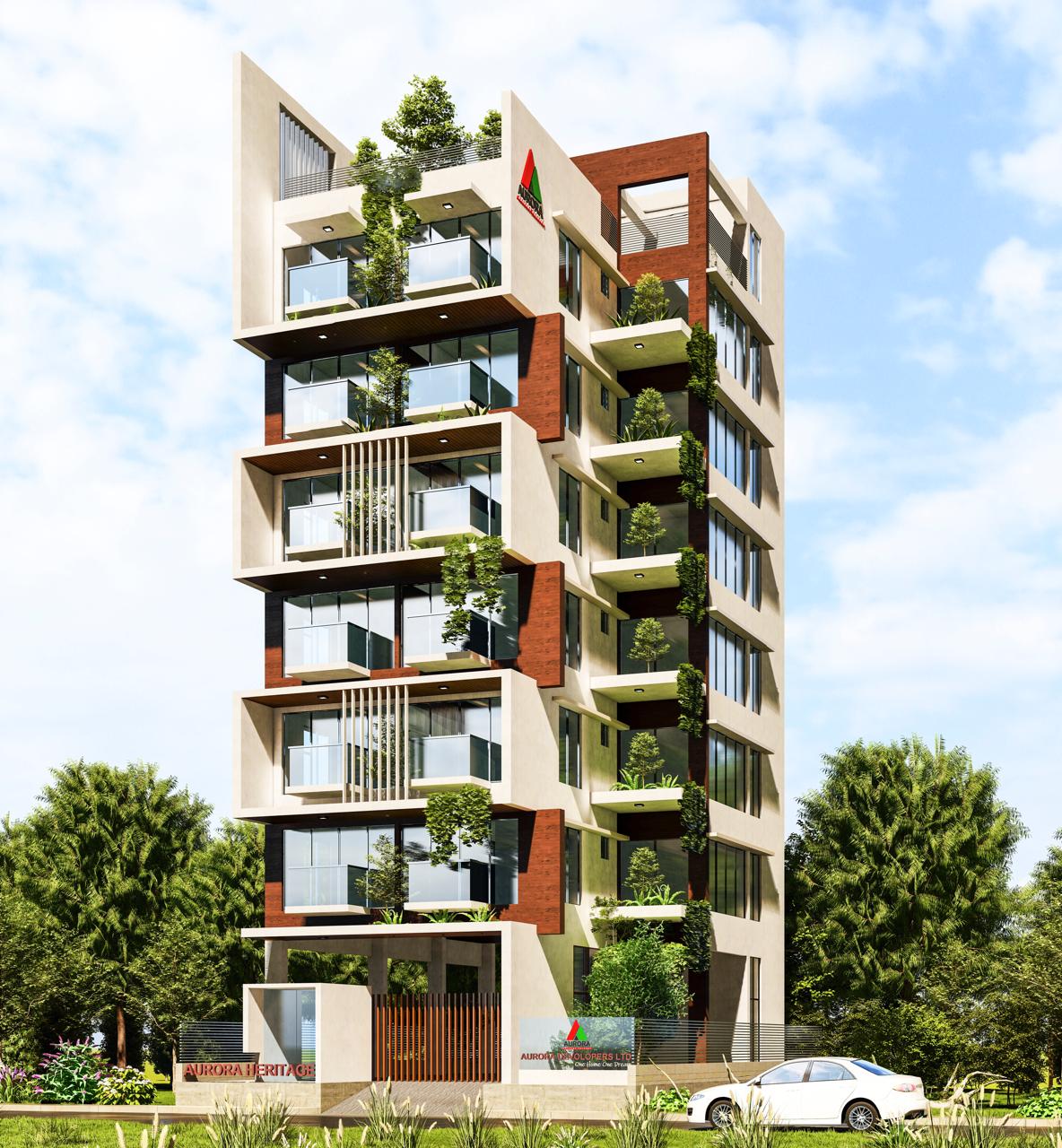
The real estate market in Dhaka involves a complex interplay between private landowners, real estate developer companies, and municipal regulatory authorities like RAJUK (Rajdhani Unnayan Kartripakkha). A flashy developer showroom, polished 3D architectural renders, or a REHAB membership badge do not guarantee that the building's underlying title is completely clean.
Before you issue a single advance pay order or sign a Deed of Agreement (Baina Nama), run through this comprehensive 10-point legal checklist with an independent property advocate.
The Master Verification Checklist at a Glance
| Point | Document / Verification Item | Issuing / Verifying Authority | Primary Risk if Overlooked |
|---|---|---|---|
| 1 | Title Deed (Mool Dalil) & Chain of Deeds (Bia Dalil) | Relevant Sub-Registry Office | Fake ownership or uninherited co-owner disputes |
| 2 | Khatian Chain (CS, SA, RS, BS / City Survey) | Land Revenue Office / Tahsil Office | Disputed boundary claims or vested property classification |
| 3 | Mutation Khatian (Namjari) & DCR | AC Land Office (Assistant Commissioner of Land) | Landowner cannot legally transfer title to buyers |
| 4 | Up-to-Date Land Tax Receipt (Dakhila / Khajna) | Local Union / Ward Land Office | Unpaid arrears, disputed ownership status |
| 5 | Non-Encumbrance Certificate (NEC / Talashi) | Sub-Registry Office (Form 53) | Hidden mortgage to a commercial bank or financial institution |
| 6 | RAJUK Approved Building Plan & Clearance Sheet | RAJUK (Authorized Officer / Town Planner) | Demolition of unapproved floors or setback deviations |
| 7 | Registered Power of Attorney (PoA) & JDA | Sub-Registry Office | Developer selling flats without legal authorization from landowners |
| 8 | Joint Venture Mutual Allotment Agreement | Landowner & Developer Internal Contract | Developer selling a flat allotted to the landowner |
| 9 | REHAB Membership & Real Estate Registration | Ministry of Housing & Public Works / REHAB | Inability to seek arbitration through formal real estate tribunals |
| 10 | Structural Safety & Fire/Environmental Clearance | Fire Service, DoE, Structural Engineer | Safety hazards, delayed Occupancy Certificate |
Deep Dive: The 10 Essential Legal Verification Checks
flowchart TD
    D1["1. Title & Chain Deeds (Mool & Bia Dalil)"] --> D2["2. Survey Records (CS -> SA -> RS -> BS/City)"]
    D2 --> D3["3. Mutation (Namjari) & DCR Verification"]
    D3 --> D4["4. Tax Receipts (Khajna) & Non-Encumbrance (NEC)"]
    D4 --> D5["5. Developer PoA & Joint Venture Allocation"]
    D5 --> D6["6. RAJUK Plan & Structural Clearance"]
    D6 --> D7["7. Safe Baina Nama (Deed of Agreement)"]
1. Title Deed (Mool Dalil) and Chain Deeds (Bia Dalil)
The Mool Dalil proves how the current landowner acquired the property (by purchase, gift, inheritance, or auction). But checking just the latest title deed is never enough in Bangladesh. You must trace the property back at least 25 to 30 years through historical transfer deeds, known as Bia Dalil.
- Confirm that every successive transfer was legally registered.
- If the land was inherited, inspect the Waris Certificate (Succession Certificate) issued by the local City Corporation Councilor or Union Parishad Chairman. Confirm that all legal heirs (including daughters and minor children) signed the transfer deed or granted power of attorney. If even one heir was omitted, they can contest your ownership years later in civil court.
2. The Chain of Land Surveys (CS, SA, RS, and BS / City Survey)
Bangladesh maintains an unbroken succession of historical land survey records. An apartment buyer must ensure that the plot's mouza, dag (plot), and khatian numbers correlate accurately across all four major surveys:
- CS (Cadastral Survey): The baseline British-era survey (1888–1940).
- SA (State Acquisition Survey): Prepared after the 1950 Tenancy Act.
- RS (Revenue Survey): Revised survey confirming updated tenancy.
- BS (Bangladesh Survey) / City Survey: The final contemporary survey record in Dhaka and major urban belts.
Critical Warning: Ensure the land is not categorized as "Khas" (government land), "Vested Property" (Arpita Sampatti), or acquired by the Roads and Highways Department.
3. Mutation Khatian (Namjari) and Duplicate Carbon Receipt (DCR)
Even with a valid registered deed, ownership is incomplete without Namjari (Mutation) in the land revenue ledger.
- Demand the certified Mutation Khatian issued by the relevant AC Land (Assistant Commissioner of Land) office.
- Verify the DCR (Duplicate Carbon Receipt) proving payment of official government mutation fees.
- Use the Bangladesh Land Ministry portal (
land.gov.bd) to cross-reference the online e-Mutation record with the physical paper copy.
4. Up-to-Date Land Tax Receipt (Khajna / Dakhila)
Check that the landowner has cleared land development taxes up to the current fiscal year. The Dakhila (tax receipt) shows the assessed tax, volume number, and confirms that the land office currently recognizes the seller as the lawful revenue payer.
5. Non-Encumbrance Certificate (NEC - Form 53)
Never assume a property is unencumbered. Landowners frequently pledge title deeds as collateral to secure bank credit facilities, working capital loans, or private mortgages.
- Instruct your lawyer to perform a physical search (Talashi) at the relevant Sub-Registry office covering the plot's mouza.
- Obtain an official Non-Encumbrance Certificate (NEC) on Form No. 53 for a minimum search window of 12 to 20 years. This document certifies that no registered mortgages, liens, or prior deeds of sale exist against the plot.
6. RAJUK Approved Building Plan & Permit Letter
A developer cannot legally build or market an apartment in Dhaka without explicit approval from RAJUK under the Dhaka Building Construction Rules.
- Inspect the original blueprinted Approved Floor Plan and the official Sanction Letter (Prastabita Imarot Nirman Onumoti).
- Check the building height restrictions, number of sanctioned floors, and total allowed residential units. If the developer has approval for a 7-story building (G+6) but is actively selling flats on the 8th or 9th floor, those top units are illegal and will never obtain separate mutation or utility connections.
7. Registered Development Agreement & Power of Attorney (PoA)
In joint-venture apartment projects:
- Inspect the registered Joint Venture Agreement (JDA) between the landholders and the building company.
- Verify the registered Irrevocable Power of Attorney (PoA) executed by the landowners in favor of the developer under the Power of Attorney Act 2012. Confirm that the PoA specifically grants the developer legal power to construct, market, accept payments, and execute the final Saf Kabala registration deed.
8. Mutual Allotment / Share Allocation Agreement
Every joint-venture apartment building has a pre-agreed split (typically 50-50, 45-55, or 40-60) between landowner flats and developer flats.
- Review the signed Demarcation & Allotment Schedule.
- Ensure that the specific apartment unit, floor level, and designated car parking slot you are buying are explicitly listed under the Developer's Share. If you buy a flat assigned to the landowner directly from the developer, the landowner can refuse to sign the transfer deed at the Sub-Registry.
9. Real Estate Registration Act 2010 Compliance
Under the Real Estate Development and Management Act 2010, all building companies operating in Bangladesh must be registered with the Ministry of Housing and Public Works.
- Verify the developer's formal registration.
- Check if they are an active member of REHAB (Real Estate and Housing Association of Bangladesh). In the event of construction abandonment, hand-over delays, or contractual breaches, having a REHAB-affiliated developer allows you to access formal dispute resolution and consumer arbitration before taking matters to civil court.
10. The Baina Nama (Deed of Agreement) Clauses
Never sign a generic one-page booking form. Your initial Baina Nama should be a thoroughly vetted legal contract containing:
- Exact handover deadline with a clear compensation clause (e.g., developer pays BDT 20 to BDT 35 per square foot per month for any unjustified handover delay).
- Detailed material specifications (exact brands and grades for rod, cement, tiles, sanitary fittings, elevator make, and standby generator capacity).
- Clear payment schedule tied directly to structural construction milestones (e.g., roof casting, brickwork, plastering) rather than arbitrary calendar dates.
Red Flags: When to Walk Away from an Apartment Deal
- The seller cannot produce original Bia Dalils: If the seller only offers photocopies and claims the originals are "misplaced" or "with a relative abroad," halt transactions immediately. The originals are often pledged as loan security with informal moneylenders or banks.
- Construction exceeds the sanctioned RAJUK footprint: If the building extends directly to the plot boundary without the mandatory side or rear setbacks, RAJUK inspectors can issue stop-work notices or demolish the structural overhangs.
- Pressuring for unreceipted cash payments: If a developer demands 40% of the flat price in unreceipted cash to avoid showing income on their books, you will find it difficult to justify your investment on your annual tax return (IT-10B), exposing you to penalties from the National Board of Revenue (NBR).
Practical Conclusion
Buying an apartment in Dhaka should be a step toward long-term financial security, not a pathway to years of legal stress. Hiring an experienced real estate advocate to audit these 10 documents costs between BDT 20,000 and BDT 50,000—a modest safeguard when protecting a lifelong investment of BDT 1 Crore or more. Insist on every certified document before transferring your hard-earned savings.
Architecture for a life well lived.